Face Oils for Dry Skin: What to Buy, What to Skip, and When a Cream Works Better
Research-based guide · revised 23 October 2026
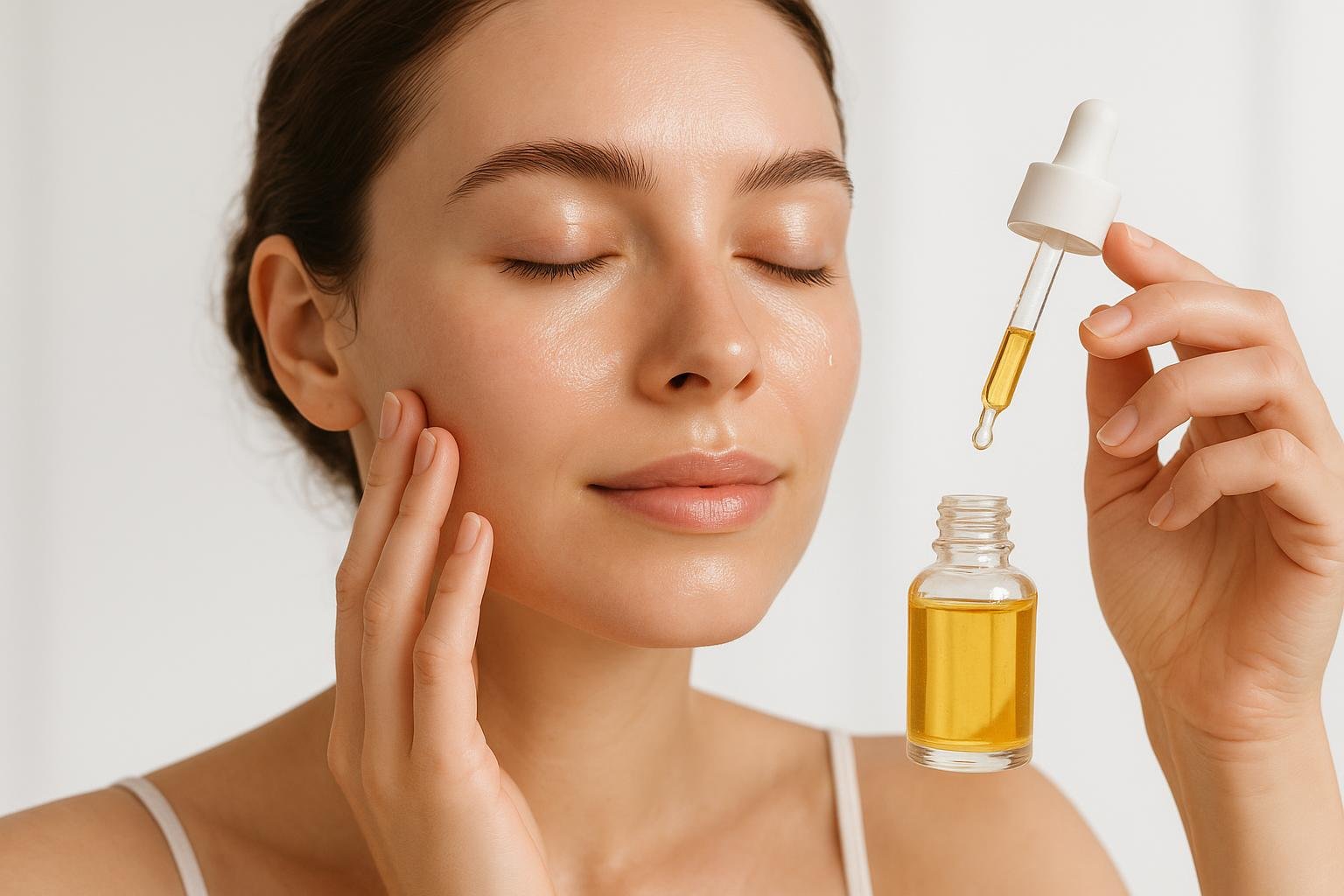
If your main problem is true dry skin, a face oil is usually an optional finishing product rather than the most evidence-based first buy. The American Academy of Dermatology says dry skin is generally managed best with thicker moisturizers such as creams and ointments that hold water in the skin better, especially when they are fragrance-free. That means many shoppers should start with a barrier-focused moisturizer, then consider an oil only if they want extra slip, a softer finish, or a simple last-step layer. See AAD moisturizer guidance and, if you need a core moisturizer first, MySeekly’s ceramide moisturizer guide.
Why face oils can help dry skin, but also why they are easy to overbuy
Dry skin and dehydration often get blurred together. Oils can reduce roughness and give an immediate more comfortable feel, but they do not replace the water-holding role of a well-formulated cream or ointment. The AAD advises applying moisturizer after bathing and choosing products that are thick enough to lock in moisture; it also recommends avoiding fragrance for dry, sensitive skin and notes that unscented is not the same as fragrance-free. Those points matter because many face oils are sold as glow products first and dry-skin products second.
A practical way to think about the category is this: buy a face oil for texture preferences, routine compatibility, or a narrower ingredient list, not because the oil bottle itself proves better barrier repair than standard emollient care. If your skin is cracking, stinging, bleeding, or dryness is persistent, AAD guidance points toward medical review rather than trying more cosmetic oils alone.
The buying decision in one sentence
Choose a face oil only after you know whether you want a simple single-oil layer or a treatment-style blend with more ingredients and more possible irritation variables.
Two exact face oil variants worth comparing
| Product variant | What the source confirms | Why someone might choose it | Reason to skip it |
|---|---|---|---|
| The Ordinary 100% Organic Cold-Pressed Rose Hip Seed Oil, 30 mL | Single-ingredient formula: Rosa Canina Seed Oil. The brand describes it as water-free, alcohol-free, silicone-free, vegan, and suggests once-daily use, ideally at bedtime. | Better fit if you want fewer formula variables, a plain oil profile, and easier comparison against other single-ingredient oils. | Still an oil-only product, not a cream or ointment. The brand also notes a natural scent related to the unrefined oil, so it is not the same thing as a verified fragrance-free barrier cream. |
| Biossance Squalane + Vitamin C Rose Oil, 30 mL | Blend including squalane, tetrahexyldecyl ascorbate, caprylic/capric triglyceride, Pistacia lentiscus gum, and Rosa damascena flower extract. The ingredient list also includes geraniol and citronellol. | More relevant if you want a glow-oriented oil that combines emollient feel with added brightening-style ingredients rather than a plain oil. | More ingredient complexity means more variables if your skin is easily irritated. It is also less aligned with a strict fragrance-avoidance approach for very reactive dry skin. |
What these differences mean in real shopping terms
1) Single-oil vs blend
A one-ingredient oil makes comparison easier. If your skin reacts unpredictably, a short ingredient list can help you avoid guessing which extra botanical extract, aromatic component, or active is causing problems. That does not automatically make a single oil better for everyone, but it does make the purchase logic cleaner.
A blend can make more sense when your goal is not just softness but a more “finished” cosmetic effect such as radiance or a richer feel. The trade-off is that a blend can add fragrance-related components or extra actives that matter less to basic dryness than good moisturizer habits do.
2) Fragrance exposure matters more than branding language
The FDA explains that cosmetic labeling terms such as fragrance-free, hypoallergenic, and for sensitive skin are not standardized guarantees in the way many shoppers assume. For dry or easily irritated skin, that makes ingredient-list reading more useful than front-label comfort claims. AAD guidance separately recommends choosing fragrance-free products when trying to reduce irritation risk from dry skin care.
That does not mean every fragrant or aromatic oil will cause a problem for every person. It does mean that if your buying priority is “least likely to complicate an already dry, irritated routine,” simpler and less aromatic products usually deserve a closer look than lush glow oils.
3) Do not confuse barrier support with proven barrier repair superiority
Manufacturers can describe formula roles such as emollient feel or moisture-barrier support, but those statements are not the same as comparative clinical proof that one face oil repairs a dry-skin barrier better than a standard cream. For most readers, the safer evidence-based sequence is: build a reliable moisturizer step first, then decide whether an oil adds enough comfort or finish to justify the extra product category.
A worked example: deciding between these two oils
Imagine two shoppers who both say, “I have dry skin and want glow.”
- Shopper A also says their skin stings easily, they dislike strong sensory products, and they are already using a bland moisturizer. For this person, The Ordinary 100% Organic Cold-Pressed Rose Hip Seed Oil is easier to justify because it keeps the experiment narrower: one named oil, one bottle, fewer moving parts.
- Shopper B says their skin is dry but not especially reactive, and they specifically want a more polished glow product with added brightening-style positioning. For this person, Biossance Squalane + Vitamin C Rose Oil may match the goal better, because it is a treatment-style blend rather than a plain face oil.
The point is not that one is universally better. The point is that “dry skin” alone does not answer the question. Your sensitivity level, tolerance for fragrance-related ingredients, and whether you already own a good moisturizer matter more.
How to compare value without relying on hype
Both example products are listed in 30 mL sizes on their manufacturer pages, so pack-size comparison starts equal. What is not equal is formula complexity. A hypothetical cost-per-mL comparison only tells you bottle size, not whether you are paying for a simple oil or a multi-ingredient blend. If one 30 mL bottle costs more, that does not automatically make it worse value; it may simply be serving a different role in the routine.
Still, there are two sensible value questions to ask before checkout:
- Are you buying overlap? If you already use a rich moisturizer and a vitamin C serum, a vitamin-C-containing face oil may duplicate part of your routine more than you need.
- Will the oil replace anything? A simple oil may earn its place if it lets you skip a separate glow product or makes your nighttime routine feel complete enough that you stick to it.
When to skip face oils entirely
Skip the category for now if your skin is flaky because your basic moisturizer is too light, if fragrance seems to trigger irritation, or if your dryness is severe enough that you are still uncomfortable after standard gentle skin-care measures. In that situation, a moisturizer-first guide is more useful than another oil bottle. MySeekly’s slugging moisturizer guide, dry-skin moisturizer guide under $30, and beginner routine guide for dry skin are better next reads if you are still building basics.
What to do next
If you want the simplest face-oil purchase, compare single-ingredient oils first. If you want radiance and do not mind a more complex formula, compare treatment-style oil blends second. And if your dryness is not controlled yet, pause the oil search and strengthen the moisturizer step before adding another category.
Sources checked for this guide
- How to pick the right moisturizer or emollient
- Dermatologists’ tips to relieve dry skin
- Allergens in Cosmetics
- The Ordinary 100% Organic Cold-Pressed Rose Hip Seed Oil
- Biossance Squalane + Vitamin C Rose Oil
Compare current listings
As an Amazon Associate, MySeekly earns from qualifying purchases. These links open Amazon US search results, not verified exact listings. Check the current variant, seller, regional label and delivered cost. You do not need to purchase a product to use this guide.
Search Amazon US for rose hip seed oil face 30ml
Search Amazon US for squalane face oil dry skin
Research-based editorial guidance, not a hands-on product test or a medical review. Product photos and illustrative images do not show our own test results. Read our editorial approach.