At-Home Microneedling: Check the Claims Before Buying a Roller
Research-based guide · revised 23 October 2026
Quick answer: A roller sold online is not automatically equivalent to a professional microneedling procedure. First identify what the device is intended to do, who should operate it and what evidence supports that exact use. This guide does not recommend a needle depth, a home-treatment schedule or combining a device with a serum.
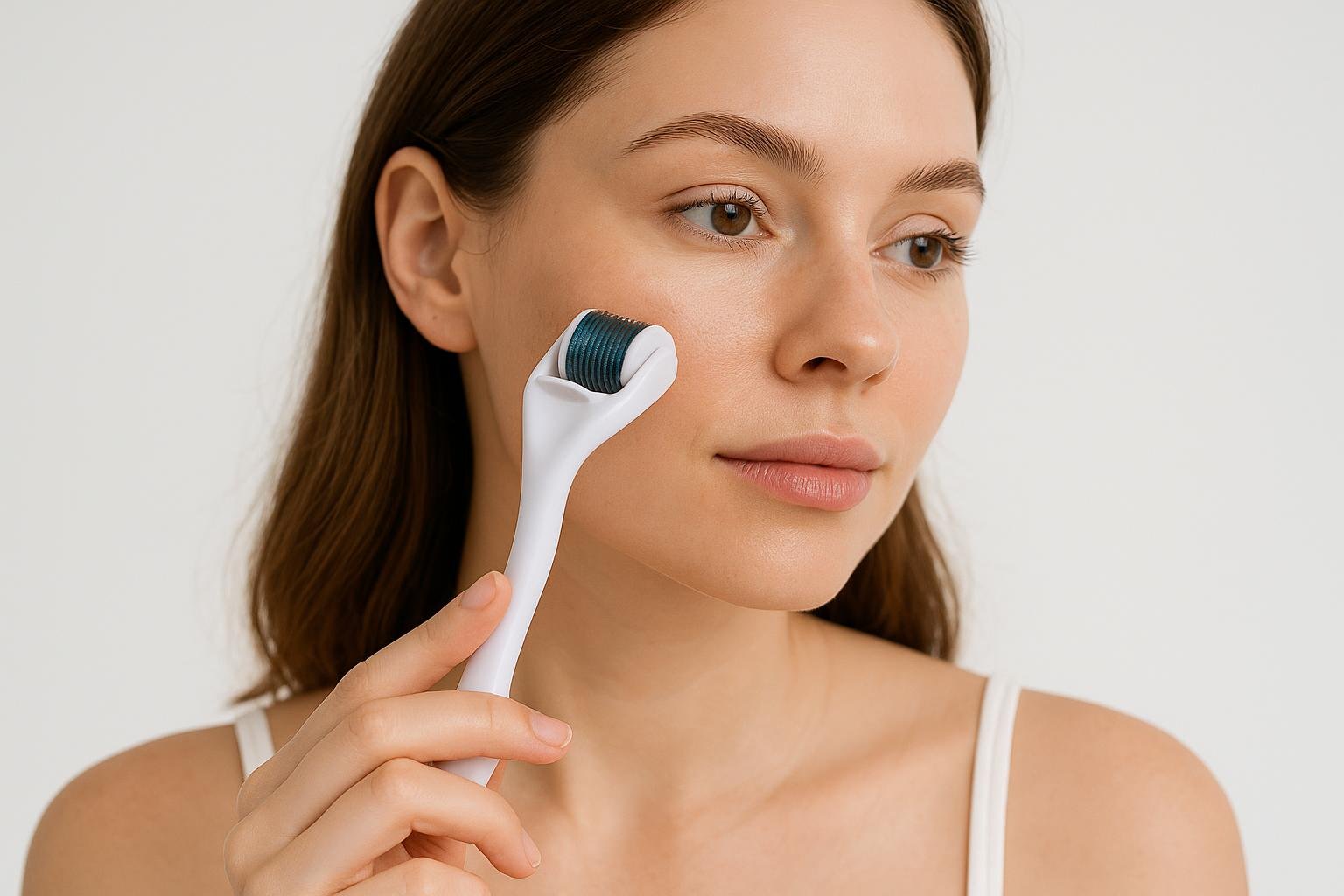
The useful comparison is not simply “which roller has the most needles?” Retail listings can mix descriptions of surface exfoliation, procedures that puncture skin and radiofrequency treatments. Similar terminology does not establish similar risks, results or appropriate users. Sorting those categories comes before comparing price.
Three descriptions that should not be treated as one product
| Description | Question to resolve | Do not assume |
|---|---|---|
| Surface exfoliation tool | What do the exact label and intended-use instructions say? | That evidence for a medical procedure proves this tool’s effects |
| Skin-puncturing microneedling device | What is its regulatory status, intended user and intended use? | That a retail listing makes it appropriate for self-treatment |
| Radiofrequency microneedling | Which qualified provider and exact device are involved? | That it is an ordinary home beauty gadget |
The Australian Therapeutic Goods Administration’s microneedling guidance distinguishes lower-risk exfoliation claims from devices with other intended purposes and discusses risks associated with home use and inadequate hygiene controls. It is an Australian starting point for understanding the category, not an endorsement of the product in an advertisement.
What the professional-versus-home comparison leaves out
The American Academy of Dermatology explains differences between at-home products and dermatologist-performed microneedling. Reading about a professional procedure does not establish that a home roller delivers the same treatment. The practitioner, assessment, device, setting and follow-up are part of the comparison; the needle count on a box cannot stand in for all of them.
Suppose a listing shows a photograph from a clinic but sells a different device. Save the exact model name and look for evidence about that model’s intended use. If the before-and-after photograph does not identify the intervention, it cannot settle the question. A convincing image is not enough information to compare the two situations.
Why a serum bundle needs its own evidence
The FDA’s consumer guidance on microneedling says that it has not cleared microneedling devices for use with another product and discusses risks including skin damage. That is a US regulatory statement. A package containing both a roller and a cosmetic serum does not itself demonstrate that the combination has been assessed for the advertised use.
A serum formulated for application to intact skin should not simply be presumed suitable for a different route. Ask what the combination claim actually relies on. This guide does not provide instructions for using cosmetics with a skin-puncturing tool, or for choosing an invasive technique from a shopping page.
A five-part device-claim file
- Identity: record the manufacturer, exact model and local supplier. A photograph or generic device name may not identify the product.
- Intended use: copy the purpose from the current instructions, then compare it with the seller’s claims.
- Intended operator: check whether the instructions identify a professional user rather than assuming a home listing settles that question.
- Evidence: distinguish a study of the exact device and use from a general article about microneedling.
- Support: identify who supplies instructions, handles device problems and explains appropriate follow-up.
Keep an “unanswered” column. If a seller cannot identify the model or supply the instructions, you do not need to compensate by collecting more promotional reviews. The missing information is itself relevant to a buying decision.
RF microneedling is a separate decision
The FDA’s RF microneedling safety communication describes the potential for serious complications and states that these devices should not be used at home. Do not use a general roller comparison to select an RF procedure. Discuss the exact device, the provider’s training, the proposed use and the risks with an appropriately qualified healthcare professional.
Compare costs only after the suitability question
For a purely hypothetical example, a tool costs 30 and a separately sold replacement component costs 12, in the same currency. Buying both totals 42 before delivery. That arithmetic can help reveal the full basket cost; it cannot tell you whether the tool is suitable or whether the component can safely be reused.
Do not invent replacement intervals to calculate a low monthly price. Use the actual instructions, consumable requirements and total delivered charges. More accessories do not automatically create more value if they are unnecessary or inappropriate for the intended use.
A sensible next action
If the purpose is to address scars, pigmentation or another skin concern, start by describing that concern to a dermatologist rather than choosing a needle depth from a retailer. Ask what options fit the situation and what outcomes are realistic. You can decide not to buy a device while those questions remain unanswered.
For ordinary cosmetic spending, the basic routine worksheet helps identify duplicate purchases. It is not a substitute for assessment of a procedure.
Sources checked
- TGA: microneedling considerations
- AAD: microneedling and dermatologist care
- FDA: benefits, risks and safety
- FDA: RF microneedling safety communication
Published by MySeekly Editorial. This is an editorial explanation of published information, not a hands-on test, medical review or personalised treatment plan. Check current product labels. Our editorial approach.